 Concept
PLAINPATH · Understanding written information
Turn a confusing document into a clear next step.
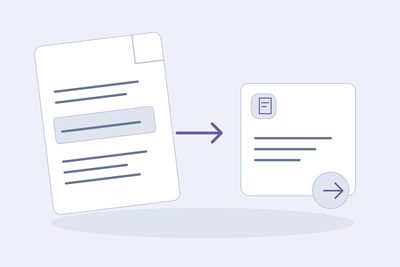
A concept for finding the meaning, deadlines, and next steps in a dense letter, with the original wording close by.
- Bring in the document
- Understand it in context
- Review the next steps
ONE EVERYDAY EXAMPLE
Find the next step in a letter.
SAMPLE LETTER · ORIGINAL
“Please return the enclosed questionnaire by November 15. If you need more time, contact our office before the due date.”
ILLUSTRATIVE EXPLANATION
Return the questionnaire by November 15.
Need more time? Contact the office before that date.
Action to review: complete and return the form
Keep the original letter nearby. Check names, dates, and requirements yourself.
Read how it could work
A confusing letter could become a plain-language guide. Check its deadline and possible next steps against the original letter.
- Photograph or upload a letter, form, or set of instructions. The planned experience would flag unclear text rather than silently filling in missing information.
- Read an accessible explanation, look up an unfamiliar term, or listen aloud. Return to the source wording when a detail matters.
- Check deadlines and actions against the document. Once you know what is needed, draft a reply or choose a reminder.
PLANS & IMPORTANT BOUNDARIES
Keep the original within reach.
Keep the original wording close by. Check dates and rules against it, and keep facts separate from suggestions.
Planned features
- Photograph or upload letters, forms, and instructions.
- Explain complex language and unfamiliar terms in accessible wording.
- Highlight required actions and stated deadlines.
- Turn information into step-by-step checklists and reminders.
- Offer read-aloud support, adjustable reading levels, and visual formatting.
- Draft responses for the user to review and approve.
QUESTIONS ABOUT PLAINPATH
Your questions about PlainPath.
Who is this being designed for?
People who find dense or unfamiliar writing hard to use. This may include people with ADHD, learning differences, or cognitive disabilities.
A letter may spread a decision, deadline, exceptions, and instructions across several pages. A shorter version still needs to keep the details that matter.
Would simplifying a document change its meaning?
It should keep the meaning while making the words easier to read. AI can make mistakes. You would still need to check key details against the original document.
Would PlainPath provide professional advice?
It would explain the text you provide and help you plan possible next steps. It would not replace advice from a lawyer, doctor, financial adviser, or other professional.
Could it complete forms for me?
Drafting responses for review is planned. Automatic filing, signing, or submitting forms is not an announced capability.
Privacy, accessibility, and user control
Reading-level choices, read-aloud support, spacing, and step-by-step views would let people choose how to read the same information.
Data handling, supported access tools, and offline behavior remain to be defined before release. You should be able to review suggestions and choose what to share.
Our design commitmentsWhen can I use PlainPath?
PlainPath is a concept. There is no announced release date, price, or list of supported devices. Next, we need to build and test the idea.
What makes a letter hard to act on?
Describe the type of document and the confusing part. Please do not send private letters or account details.
RELATED DIRECTIONS